
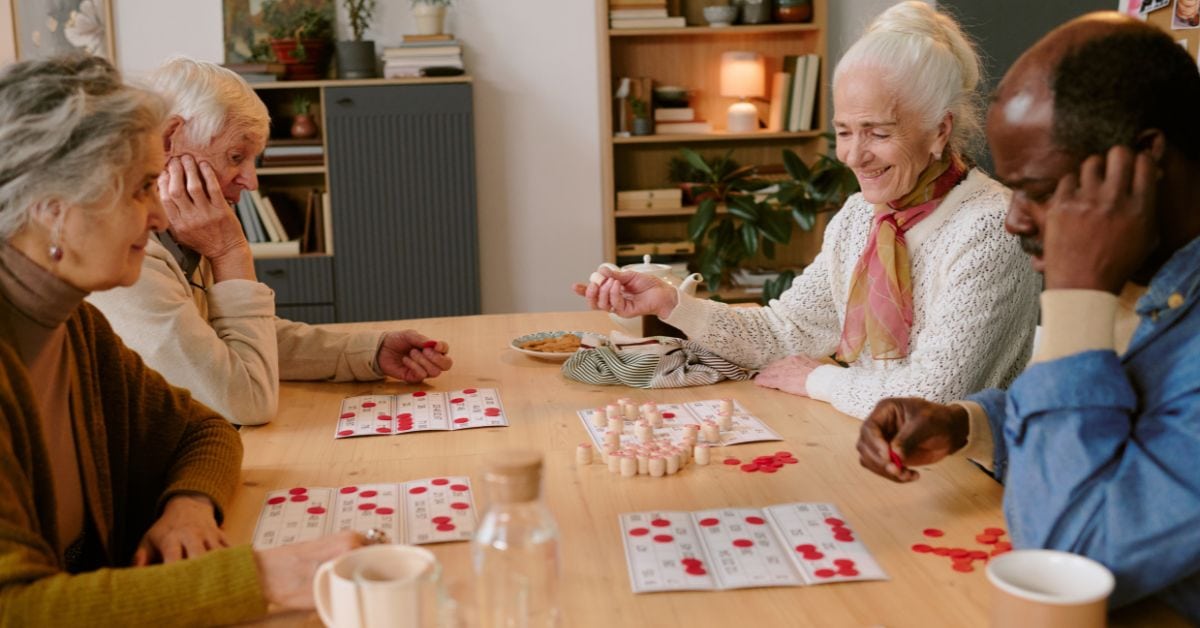
Career-based memory stations mark a meaningful evolution in how we care for seniors facing dementia challenges in memory care communities in Cedar Rapids, IA. These environments honor the deep connection between who people were professionally and who they remain at their core.
Career-based memory stations are transforming senior care by honoring residents’ professional identities and creating therapeutic environments that reduce anxiety while promoting meaningful engagement.
This approach represents a shift from managing symptoms to celebrating the whole person, acknowledging that professional experiences remain a vital part of identity even as cognitive abilities change. For families in Cedar Rapids seeking memory care, these stations offer hope for maintaining dignity and creating genuine connections during challenging transitions.
What Makes Career-Based Memory Stations at Memory Care Communities Special?
Recent research demonstrates that occupation-based interventions improve cognitive function and quality of life in people with dementia. (National Institutes of Health,2022) These interventions tap into procedural memory, which often remains intact even as other cognitive abilities decline, creating meaningful engagement through familiar activities related to a person’s former profession or interests.
A different approach to memory care
Traditional memory care typically follows predictable patterns with scheduled activities and staff-directed routines. Career-based memory stations offer a refreshing alternative by building care around each resident’s unique story and professional background.
What makes them special:
- Personal vs. General: These spaces reflect individual work histories—a classroom for former teachers or tool benches for mechanics.
- Purpose vs. Symptoms: Residents reconnect with skills they still possess, fostering feelings of capability and usefulness.
- Connection vs. Tasks: Staff develop genuine conversations by learning about residents’ careers rather than simply completing daily routines.
Why seniors connect with these spaces
These stations naturally evolve into gathering spots where residents share stories about their professional lives, creating organic social connections. Local communities like Corridor Crossing Place have integrated these occupation-based approaches into their memory care programs with remarkable results.
The memory science that makes it work
Work-related procedural memory tends to persist longer than many other types of memories. Engaging with familiar occupational activities improves cognitive function, elevates mood and enhances overall quality of life.
These multi-sensory environments—combining tactile experiences with familiar sights, sounds and smells—can unlock seemingly lost memories while reducing agitation. Most importantly, they help restore feelings of competence and purpose that traditional care approaches often overlook.
What Daily Changes Do Families Notice?
Workplace memory stations create meaningful shifts in how seniors experience their days. Families often witness glimpses of their loved one’s former self—moments when confusion lifts and familiarity returns.
Calming effects of familiar environments
Familiar environments tap into memories that feel more supportive than the present moment, reducing confusion when surrounded by objects from their working years.
- Objects from the past create an immediate sense of comfort and recognition
- Personal items trigger positive emotional responses
- Familiar settings reduce anxiety and promote a sense of security
Rebuilding confidence through familiar roles
Something powerful happens when residents touch tools from their former careers. A retired mechanic’s hands remember how to hold a wrench. A former nurse instinctively organizes medical supplies. These moments restore a sense of competence that memory loss often erodes.
- Familiar physical movements activate muscle memory.
- Career-related activities connect residents to feelings of accomplishment
- Opportunities to share expertise with others maintain dignity and personal agency
These interactions improve care quality as caregivers gain authentic insights into who residents truly are, allowing for more personalized support that honors each person’s unique history.
How Can Families Help Create Meaningful Memory Stations?
Families hold the key to creating truly effective career-based memory stations. The following are four tips for having a deep understanding of your loved one’s professional journey.
1. Gathering personal career history
Start with what you know about their work life, then expand from there. Document not just job titles and responsibilities, but the small details that made their career meaningful. What did their hands do every day? Which colleagues made them laugh? What challenges energized them?
Former coworkers often remember stories you’ve never heard. These conversations can reveal workplace dynamics or achievements that brought your loved one genuine satisfaction. Understanding who he or she used to be helps caregivers connect with the person behind the dementia diagnosis.
2. Choosing items that spark recognition
Focus on objects that truly mattered in their professional world:
- Tools or equipment they handled regularly
- Industry publications, they read faithfully
- Samples of their actual work
Items with multiple sensory dimensions often trigger the most powerful memories. The weight of a familiar tool, the texture of specific materials or even distinctive scents can unlock recollections that seem lost. Trust your instincts about what felt important to them.
3. Collaborating with care staff
Your partnership with professional caregivers makes these stations truly come alive. Share not just what your loved one did professionally, but how they approached their work. Did they prefer working alone or with others? Were they methodical or spontaneous? Did they find joy in teaching others or solving complex problems?
4. Making it a bonding experience
Creating these stations together offers something precious—time to remember and celebrate their professional life while they can still share those memories. Sorting through career mementos naturally leads to storytelling and reminiscence, creating comfort for both of you.
Moving Forward with Hope and Understanding
Work environments from past careers awaken deep-seated memories in seniors, reducing anxiety while rekindling purpose. These familiar tools and settings invite meaningful conversations, allowing caregivers to connect with the whole person rather than just their condition.
When visiting potential communities, notice how staff learn about and honor each resident’s background—this reveals whether they truly value personal history in daily care. Call Corridor Crossing Place at 319-362-6868 and schedule a tour.
FAQs
Q1. What are career-based memory stations in memory care? Career-based memory stations are specialized environments in memory care communities that recreate workplace settings familiar to residents from their professional lives. These stations tap into deeply rooted memories, helping to reduce anxiety and improve the life quality for seniors with cognitive decline.
Q2. How do career-based memory stations benefit seniors? These stations provide a calming effect through familiar environments, boost confidence by reconnecting seniors with their professional identities and enhance communication between residents and caregivers.
Q3. What should I look for when touring a memory care community in Cedar Rapids? When touring a community, observe staff interactions with residents, environmental design elements like color-coded hallways, engagement areas with real objects and outdoor spaces