
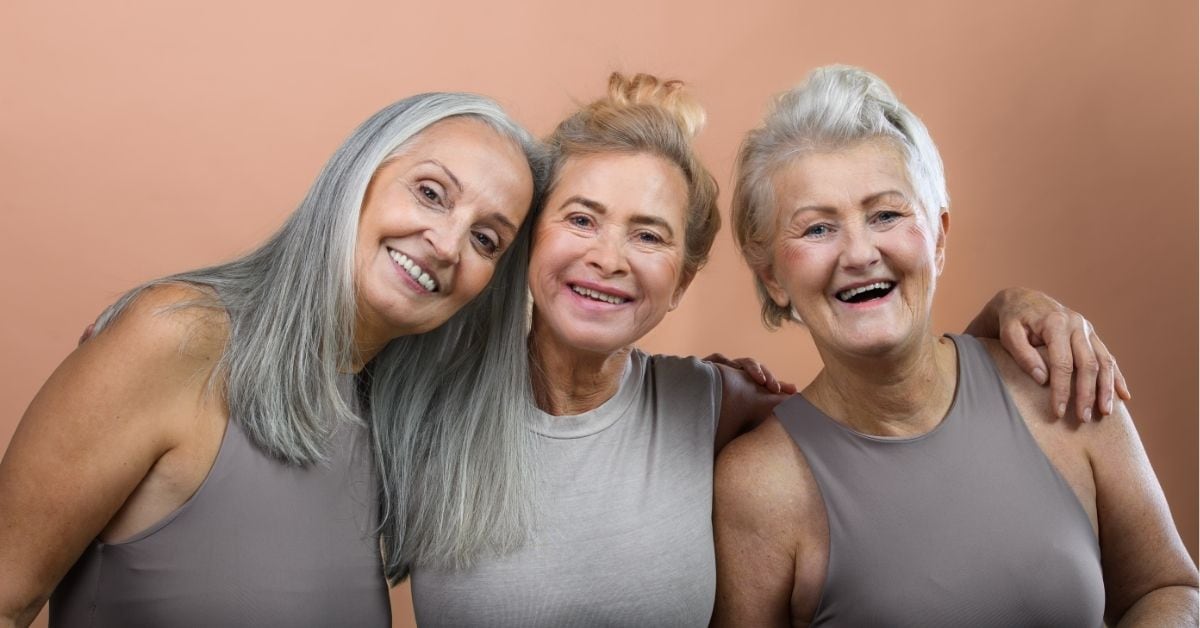
More than half of assisted living residents are over 85 years old and need help with basic activities like bathing or walking. You might look at these numbers and think residential care is simply about meeting basic needs. Yet residential care in Cedar Rapids, IA, offers something far more meaningful—a chance for seniors to rediscover self-love.
The transformation from surviving alone to thriving in community represents a fundamental shift in how we view aging – from decline to continued growth and self-discovery.
Choosing residential care is actually a powerful act of self-love. Your physical, emotional and mental well-being depends on proper self-care. Quality self-care means continuously replenishing yourself physically, emotionally and spiritually. Residential communities create spaces where this replenishment happens naturally each day, shifting the senior living experience from simply getting by at home to genuinely thriving in a caring community.

What Does Self-Love Look Like for Seniors in Residential Care?
Self-love for seniors today looks different from what it did years ago. It’s moved beyond occasional treats to something much more meaningful. People are living longer and expectations have changed—senior living now focuses on thriving rather than just aging.
Understanding self-love beyond spa days
Self-love isn’t about candles, spa days or bubble baths—it’s about strength, longevity, mobility and trusting that your body can support the life you want to live. Self-care has become about responsibility, not luxury. Think about how carefully you maintain your car, phone or home—yet many seniors overlook their joints, muscles and overall health.
Real self-love means staying strong enough to keep doing what you enjoy, preventing problems before they start and protecting your ability to move freely.
How to practice self-love as a senior
Research shows that self-love practices reduce anxiety and depression, especially when seniors choose supportive living situations (Allen et al, 2012). Your journey toward self-love includes several essential pieces:
- Physical wellness
- Mental stimulation
- Social connection
- Mindful practices
Autonomous aging through residential care
Autonomy has become crucial for well-being. Most residents and future residents want services that reflect their personal preferences. Residential care in Corridor Crossing understands this need. Communities design spaces with independence as the priority, with personalized care plans that match your specific needs, making sure the support you receive actually helps.
Four Ways Communities Foster a Positive Self-Image
Residential communities understand something important: how you see yourself directly affects how you experience each day.
1. Empowered grooming and personal care
Regular grooming routines improve mood, boost social confidence and provide a sense of control. Staff in residential care settings assist with personal care while preserving your independence and comfort.
2. Resident-led culinary and fitness experiences
Today’s communities feature multiple dining venues—casual cafés, bistros and themed restaurants—that cater to diverse tastes while encouraging lively social interactions. You’re not just receiving predetermined meals; you’re actively involved in menu planning and preparation.
3. Social wealth: Building meaningful relationships
Residential communities create natural opportunities to form bonds with others who understand the joys and challenges of aging. Structured activities and shared spaces help you build a supportive network that strengthens your sense of belonging and personal value.
4. Celebrating identity through legacy projects
Legacy projects offer powerful ways to preserve your rich stories and experiences. These initiatives boost self-esteem and encourage reflection on life experiences. Whether you’re creating memory books, recording oral histories or developing family cookbooks, these projects help you leave your mark on future generations.
Can a Supportive Environment Change How Seniors See Themselves?
Your surroundings shape how you see yourself more than you might realize. Well-designed residential settings can shift how you view your own capabilities and worth in remarkable ways.
The relief of routine and reduced anxiety
Daily routines become anchors that ground you in predictability and calm. Consistent daily schedules—from mealtimes to activities—create a sense of emotional stability and comfort. This matters especially because surprises often feel less welcome as we age.
How staff support enables more personal choice
Skilled caregivers understand how to help while protecting your independence. Through coordinated teams, staff members recognize your individual worth, building your self-confidence and sense of identity.
The role of the community in rebuilding confidence
Connection with others forms the foundation of supportive senior communities. Regular interaction with peers and staff gives you immediate companionship, helping you stay emotionally steady.
Residential Care Enable Self-Care
This exploration reveals something important: choosing supportive living doesn’t mean giving up your independence—it means embracing a meaningful path toward self-love. Residential care in Cedar Rapids goes far beyond basic accommodation to provide the foundation you need to flourish physically, emotionally and spiritually.
Self-love has evolved. Today, it centers on maintaining the strength, mobility and confidence that support a fulfilling life. Residential communities excel at creating spaces where these elements develop naturally through consistent routines, dignified personal care assistance and genuine social connections.
The support systems within these communities free you to drive your energy to what truly matters. Staff members honor your individual worth, treating you with dignity while respecting your independence. This careful balance creates room for confidence to grow and self-perception to improve.
Cedar Rapids offers vibrant opportunities for this growth through its natural beauty, cultural attractions and community-centered programming. Call Corridor Crossing at 319-362-6868 and schedule a tour to see firsthand how residential care can help you rediscover self-love while building a meaningful, supported life during your senior years.
FAQs
Q1. How do residential care communities encourage self-love among seniors?
Residential care communities foster self-love by offering personalized care, supportive grooming assistance and opportunities to participate in cooking, social activities and creative projects. Structured routines, meaningful relationships and legacy-focused activities help reduce anxiety, rebuild confidence and reinforce a sense of purpose.
Q2. What self-care practices are most effective for seniors in residential care?
Seniors benefit from self-care practices such as gentle physical activity, cognitive stimulation, social engagement, mindfulness and spiritual wellness. Residential care communities support these habits through customized programs that promote balance, emotional health and overall well-being.
Q3. How does residential care maintain independence and autonomy for seniors?
Residential care promotes independence by honoring personal preferences, offering choices in daily routines and meals and providing environments that are easy and comfortable. Staff support residents in ways that preserve dignity while encouraging active decision-making about care and lifestyle.