
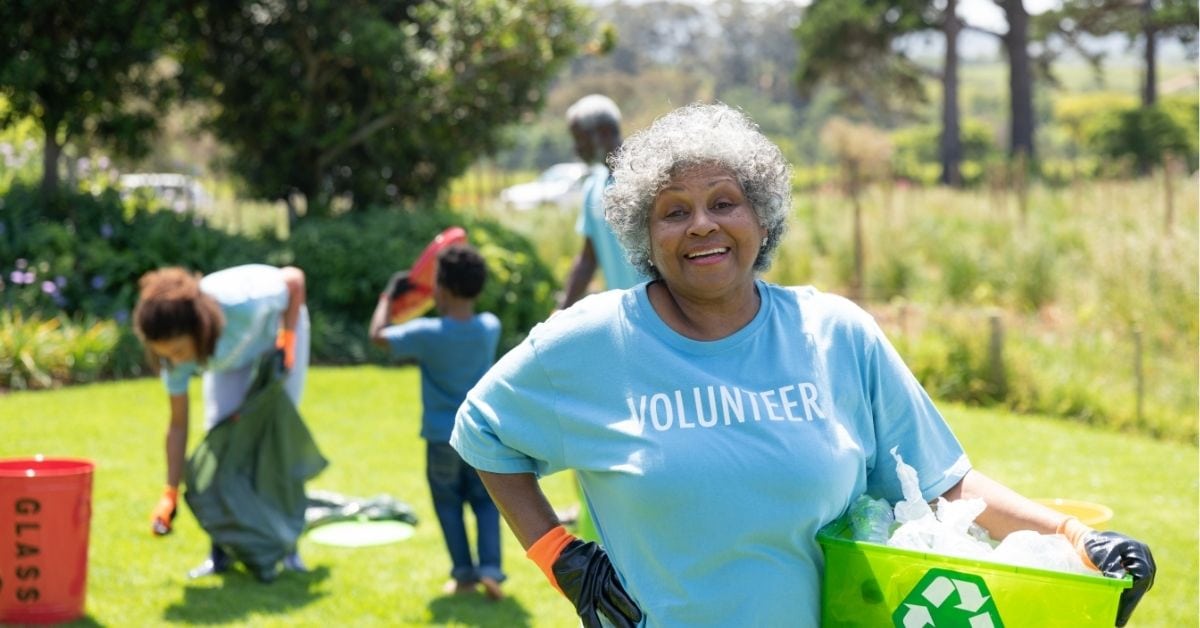
The heart never ages, nor does the desire to help others. Seniors moving to residential care in Cedar Rapids, IA, often worry they’ll lose their ability to make a difference in their communities. The reality tells a different story. Many residents discover that volunteer opportunities become more accessible than they ever imagined possible.
Rather than limiting opportunities, residential care actually expands possibilities for seniors to maintain their lifelong commitment to giving back while enjoying supportive community environments that recognize their valuable contributions.
The heart of senior living isn’t just about receiving care—it’s about continuing to care for others. Residential care communities understand this deep human need and have created diverse programs that honor and encourage seniors’ lifelong commitment to service. This blog will also explore how giving back also brings benefits to seniors’ lives.
What Types of Community Service Programs are Available in Residential Care?
Seniors in residential care find fulfillment through a range of impactful community service opportunities. These include leading charitable clubs, mentoring younger generations, crafting items for vulnerable populations and gardening fresh produce for local food banks, demonstrating their active community contributions.
Resident-led charitable clubs
These self-directed groups naturally form around shared passions, whether it’s supporting veterans, protecting the environment or helping children succeed in school. Such clubs naturally attract like-minded individuals, allowing conversation to flow effortlessly as members bond over shared passions.
Intergenerational mentoring and tutoring
These mentoring programs create genuine connections that benefit everyone involved. The Baltimore Experience Corps program demonstrated this beautifully—seniors who volunteered in schools saw their Trail Making Test scores improve by 8%, while those of non-volunteers declined by 13% (Peters, R., 2021).
Crafting for causes
Seniors discover that their crafting skills can bring comfort to others while also providing a sense of accomplishment for themselves. The most popular projects include:
- Quilts and blankets that warm people in homeless shelters
- Hand-crafted greeting cards that brighten hospitalized children’s days
- Care packages filled with essentials for vulnerable populations
Gardening for local food banks
Community gardens in residential communities offer seniors the opportunity to contribute fresh produce while staying connected to the earth. Through these, seniors help provide thousands of pounds of fresh food to people facing hunger. Each tomato grown, each cucumber harvested represents both sustenance for others and purpose for the gardener.
Fundraising events and donation drives
Care home fundraisers strengthen community ties while generating support for meaningful experiences. Events like vintage fashion shows or storytelling evenings showcase residents’ talents while raising funds. These gatherings prove that seniors aren’t just recipients of community support—they’re active contributors to community life.
What are the Personal Benefits of Volunteering for Seniors?
Volunteering offers something beautiful to seniors—it gives back to them just as much as they give to others. When older adults engage in volunteer work, they experience genuine improvements in their physical health, emotional well-being and social connections, making their later years more fulfilling.
- Improved mental health and reduced loneliness: seniors who volunteer experience lower rates of depression and anxiety, particularly those 65 and older. The act of helping others triggers the release of dopamine, creating those good feelings that naturally reduce stress and mental health struggles.
- Sense of purpose and daily structure: Having a purpose offers intrinsic motivation to adopt healthy behaviors as we age, which helps us achieve positive health outcomes.
- Opportunities for social connection and teamwork: working alongside others toward shared goals builds genuine relationships based on common values and interests.
How does Senior Communities make it Easier for Seniors to Give Back?
Senior living communities understand something profound: giving back isn’t just nice to have—it’s essential for maintaining a sense of purpose and dignity. These communities have thoughtfully designed systems that remove the obstacles that once stood between seniors and their passion for service.
- Removing transportation and mobility barriers: communities like Corridor Crosing step up with transportation services created specifically for seniors who want to serve. Rather than struggling with car keys or waiting for family members, residents can rely on scheduled transportation to volunteer sites.
- Creating structured volunteer opportunities on-site: on-site programs do something beautiful—they allow every senior to volunteer, regardless of physical limitations. Moreover, they help residents feel a genuine sense of ownership in their community.
- Partnering with local nonprofits and schools: these partnerships often focus on something precious—connections between generations. The beauty lies in how these partnerships work: external organizations bring their programs directly to residential communities, eliminating transportation concerns while maximizing participation.
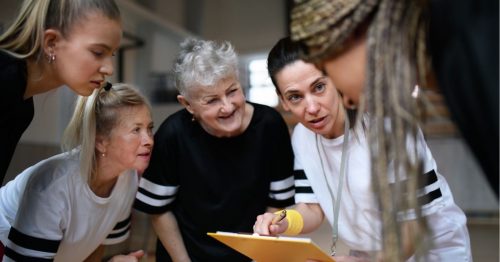
Celebrating Impact in Community
Residential care communities have transformed the way seniors participate in volunteerism, making it accessible despite physical limitations or transportation challenges. Seniors can maintain their lifelong commitment to giving back while enjoying the supportive environment these communities provide. Rather than limiting opportunities, moving to residential care actually expands possibilities for meaningful contribution.
Communities remove common barriers that might prevent seniors from volunteering, while offering a variety of community service options, ensuring every senior can find meaningful ways to contribute based on personal interests and abilities.
Giving back improves mental health, reduces loneliness, creates structure and fosters social connections. Seniors who volunteer experience an enhanced quality of life during their best years, with measurable improvements in well-being and a greater sense of purpose.
The power of residential care lies not only in providing care for seniors but also in creating environments where they can continue to care for others. You can experience this community culture firsthand by calling Corridor Crossing at 319-362-6868 to schedule a tour and explore these meaningful volunteer opportunities.
FAQs
Q1. How does residential care in Cedar Rapids, IA, support senior volunteering?
Residential care communities in Cedar Rapids, IA make volunteering more accessible by offering transportation, organizing on-site service projects and collaborating with local nonprofits and schools. These efforts remove mobility challenges and bring meaningful volunteer opportunities directly to residents.
Q2. What kinds of community service programs can seniors join in residential care?
Seniors can participate in a wide range of programs, including resident-led charity groups, intergenerational mentoring, crafting projects for donation, gardening to support food banks and assisting with fundraising events and donation drives.
Q3. What personal benefits do seniors gain from volunteering in residential care?
Volunteering provides seniors with better mental health, reduced feelings of isolation and a strong sense of purpose. It also adds structure to daily routines and fosters social interaction and teamwork. Seniors who volunteer often experience lower levels of anxiety and depression, along with improved overall well-being.