
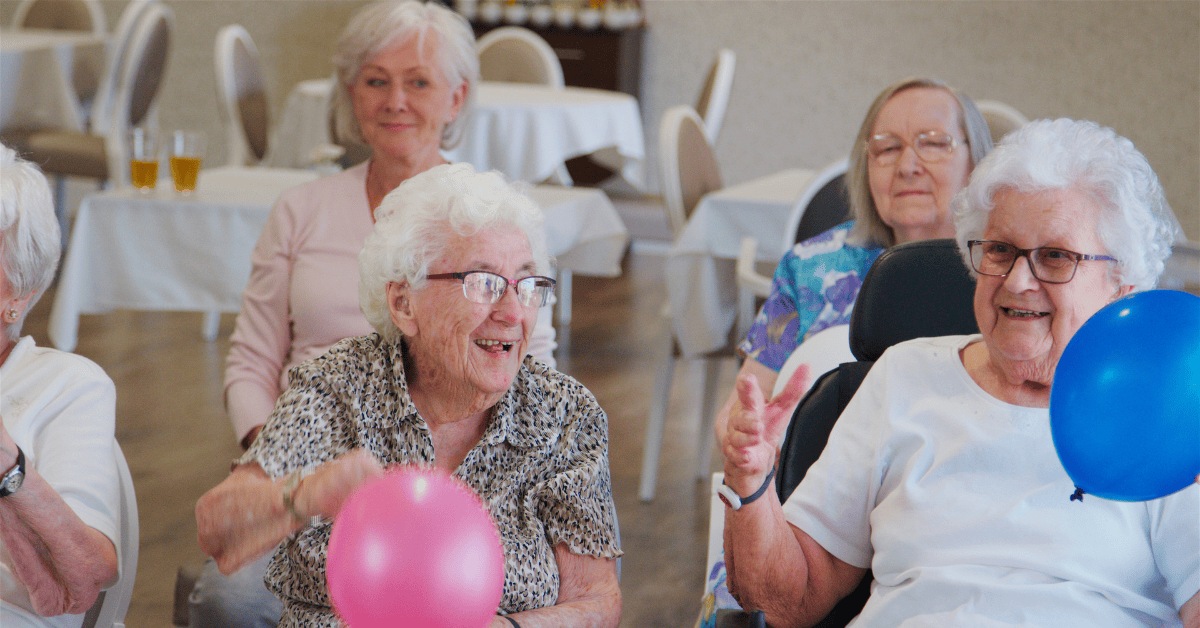
Loneliness affects heart health at a deep biological level, altering blood pressure and inflammatory markers. Memory care in Cedar Rapids, IA, that focuses on social participation helps curb these physical changes. These communities offer daily activities, shared meals and group therapies that bring residents together in meaningful ways. Physical activities combined with social interaction yield remarkable results and address multiple health needs, creating environments where residents can thrive both emotionally and physically.
Understanding the vital connection between social engagement and cardiovascular health can transform memory care outcomes for your loved ones with dementia.
Loneliness deeply harms heart health, especially in seniors with memory loss. Corridor Crossing in Cedar Rapids combats isolation through daily social, physical and creative activities that support both brain and heart wellness. Their holistic approach creates meaningful connections, reducing stress and protecting cardiovascular health in memory care residents.
How Does Social Connection in Memory Care Actually Improve Heart Health for Dementia Patients in Cedar Rapids?
Social relationships and physical health are closely connected, especially when you have memory impairments. Science shows how meaningful social interactions boost not just cognitive function but also affect heart health in unexpected ways. A landmark study demonstrated that long-term care residents who participated in 7 weeks of resistance training, walking and individualized social activities showed significant improvements in everyday function compared to those receiving usual care (Lorenz et al., 2012).
Key benefits of social connection for heart health
- Reduces cardiovascular risk: Social isolation increases heart attack and death from heart disease by 29% and stroke risk by 32%—comparable to smoking or obesity
- Lowers inflammation and stress: Regular social interaction decreases stress hormones and inflammation markers that directly damage cardiovascular function
- Improves physical activity levels: Socially engaged residents exercise more, eat better and make healthier lifestyle choices
- Breaks the isolation cycle: Dementia makes social interaction difficult, leading to withdrawal that worsens both cognitive symptoms and heart health
Why memory care programs make a difference
Quality memory care communities like Corridor Crossing in Cedar Rapids use evidence-based approaches that combine group exercise, creative activities and meaningful social interactions. This integrated model addresses the unique vulnerability of dementia patients, who face communication challenges and cognitive decline that make independent social engagement nearly impossible. Structured programs provide the consistent support needed to maintain both brain and heart health.
What’s the Link Between Loneliness and Heart Problems in Seniors with Memory Issues?
Understanding the connection between loneliness and heart health reveals how deeply isolation affects seniors with memory impairments. Over time, when you feel lonely, your body responds in ways that directly harm your cardiovascular system.
Loneliness as a chronic stressor
Your body reacts differently to prolonged loneliness than it does to brief stress. Long-term isolation keeps your system on constant alert, flooding you with stress hormones that create lasting damage. For memory care residents, cognitive decline makes forming connections even harder.
Physical effects on your heart
Prolonged isolation creates measurable changes:
- Elevated blood pressure
- Increased resting heart rate
- Irregular heart rhythms
- Higher cholesterol levels
- Reduced blood flow to vital organs
These shifts significantly increase your risk of heart attacks and cardiac events.
How isolation damages your heart
Two key body systems connect loneliness to heart problems:
- Your stress response system stops working properly, disrupting sleep and immune function
- Your alert mechanism stays activated, damaging blood vessels and accelerating heart disease
Which Memory Care Communities in Cedar Rapids, IA, Focus on Social Activities for Heart Health?
Memory care communities in Cedar Rapids, IA, have created state-of-the-art programs that blend social activities with heart health benefits. These programs help residents thrive both mentally and physically.
Daily engagement that protects your heart
Regular activities span six wellness dimensions:
- Intellectual stimulation
- Social connection
- Creative expression
- Physical movement
- Spiritual fulfillment
- Emotional support
This approach combines exercise, stress management and meaningful social interaction to support both emotional well-being and heart health.

Creative and spiritual connections
Chapel services, craft activities and music programs provide deeper meaning and purpose while supporting heart health. These integrated programs make Corridor Crossing the best memory care community for protecting both your social connections and your cardiovascular wellbeing.
Why Is Social Interaction So Important For Heart Health In Alzheimer’s Patients?
Social engagement provides significant cardiovascular advantages for Alzheimer’s patients beyond brain benefits. The two-way relationship between heart and brain health makes meaningful interaction the lifeblood of effective memory care.
Cognitive stimulation and emotional regulation
Social activities activate multiple brain regions simultaneously and help protect against cognitive decline. This cognitive engagement helps control emotions and stress responses that affect cardiovascular function. These positive interactions activate the parasympathetic nervous system—your body’s natural calming mechanism. The system counteracts the effects of chronic stress on the heart.
Reduced risk of depression and anxiety
Depression often strikes Alzheimer’s patients who feel isolated and lonely. Untreated depression raises heart disease risk in seniors. Meaningful social contact acts like a natural antidepressant and lowers harmful inflammatory markers that damage blood vessels.
Better sleep and circadian rhythm regulation
The body’s internal clock works better with social interaction. Without doubt, better sleep quality helps heart health by reducing nighttime blood pressure and inflammatory markers. The cardiovascular system gets essential recovery time. When combined with regular sleep patterns, these benefits effectively shield against heart complications.
Listen To Your Heart
Social connection acts as a powerful medicine for both mind and heart, especially for loved ones with dementia. Meaningful interactions reduce cardiovascular risks while slowing cognitive decline, making social participation vital rather than simply helpful.
Call Corridor Crossing at (319) 362 -6868 and schedule a tour. Your family member deserves care that looks after their whole well-being, heart, mind and spirit.
FAQs
Q1. How does social connection impact heart health in dementia patients? Social connection significantly improves heart health in dementia patients by reducing stress hormones, lowering inflammation and regulating blood pressure.
Q2. How do memory care communities in Cedar Rapids, IA, promote social engagement? Memory care communities in Cedar Rapids, like Corridor Crossing, offer daily social engagement programs, group therapies, communal dining and physical activities that promote connection.
Q3. Why is social interaction crucial for Alzheimer’s patients’ heart health? Social interaction is vital for Alzheimer’s patients’ heart health because it stimulates cognitive function, reduces the risk of depression, regulates emotions and anxiety, improves medication adherence and enhances sleep quality.